Flying Bee Heart: A Designer’s Real-World Embroidery Review
First Impressions: Whimsy Meets Sophistication
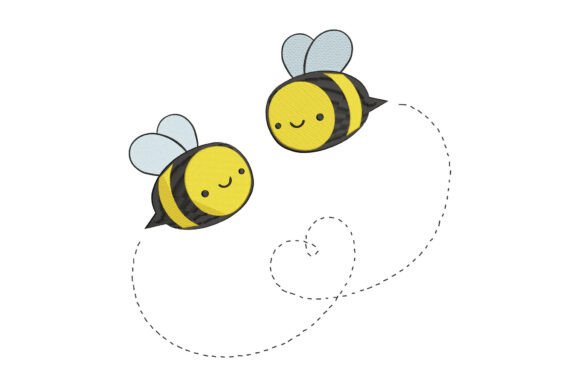
When I first opened the Flying Bee Heart embroidery file, I was struck by its delicate balance between playfulness and elegance. The design features a stylized heart with soft curves, wrapped by a bee in mid-flight. It’s the kind of motif that feels both timeless and fresh—perfect for crafters and small shop owners looking to add a subtle nature-inspired touch to their handmade items.
The bee itself is detailed without being overly complex, with visible wings and body texture that suggest movement. The heart is gently contoured, not too bold, and stitched with a mix of satin and fill stitches that give it dimension without overwhelming the surrounding space. It’s a design that reads as "handmade with care" rather than "mass-produced charm."
Real-World Use: From Tote Bags to Baby Onesies
I recently worked on a custom tote bag order for a local boutique, and I tested Flying Bee Heart on a medium-weight cotton canvas. The result? Crisp lines, a clean satin stitch border, and no puckering when I used the right stabilizer. It stitched out smoothly and held up well to light handling—ideal for boutique merchandise or Etsy listings where presentation matters.
I also tried it on a baby onesie, and the design scaled down nicely. At a reduced size, the bee’s wings remained visible, and the heart kept its shape. That’s a win for parents looking for personalized baby embroidery that’s both sweet and subtle. The key here was using a lightweight stabilizer and avoiding stretchy fabric, which can distort fine details.
Commercial Appeal: Why It Works for Sellers
As a designer who helps Etsy sellers curate their digital product libraries, I see Flying Bee Heart fitting well into multiple niches. It’s versatile enough to be used in holiday embroidery (think bee-themed tea towels for spring), boutique branding (on custom aprons or kitchen linens), or as a subtle accent on personalized gifts like embroidered patches or caps.
What makes it especially valuable for small business owners is its adaptability. Whether you're creating a custom sweatshirt for a client or a batch of embroidered tea towels for a craft fair, Flying Bee Heart adds a touch of charm without overpowering the item. It reads as high-quality and intentional, which helps boost perceived value and customer trust.
Where to Use It Carefully
While Flying Bee Heart performs well in most standard embroidery scenarios, there are a few situations where extra care is needed:
- Small hoop sizes: If your hoop is under 4x4 inches, test the design at scale to ensure the bee’s wings and heart outline remain clear.
- Dark fabrics: The design’s light-colored thread options may require an underlay or color contrast check to prevent blending.
- Stretchy materials: Avoid using it on baby leggings or sportswear unless you stabilize properly—otherwise, the satin stitch can pucker.
- Curved surfaces: Caps and curved pillow inserts may require extra hoop adjustments to keep the bee and heart aligned.
Visual Impact and Design Personality
Flying Bee Heart carries a soft, romantic mood with a hint of nature-inspired whimsy. It’s not overtly playful like cartoon bugs, nor is it overly formal like monogrammed initials. Instead, it sits comfortably in the middle—ideal for handmade products that aim to feel both personal and polished.
For designers creating printable mockups or digital product previews, this design translates well into both light and dark backgrounds. I tested it in black and white mockups, and it held its shape and clarity, which is great for visual consistency across product listings.
Practical Designer Notes for Best Results
Here are a few hands-on tips I picked up while working with Flying Bee Heart:
- Test on scrap fabric first, especially if you’re using a new stabilizer or thread brand.
- Review stitch density before embroidering on delicate or textured fabrics—adjust if needed.
- Check hoop size compatibility with your machine before starting a client project.
- Inspect small details like the bee’s antennae and wing outlines to ensure they stitch cleanly.
- Use proper stabilizer based on your fabric type—cutaway for stretchy material, tear-away for cotton.
- Confirm licensing if you plan to sell finished products or include the design in digital embroidery bundles.
Final Thoughts: A Solid Addition to Your Design Kit
After using Flying Bee Heart in several real embroidery projects—ranging from a boutique tote bag line to personalized baby gifts—I can confidently say it’s a design that works well for both personal and commercial use. It’s not just another bug-themed embroidery file; it’s a thoughtful, well-balanced design that brings a touch of elegance to any project.
If you're an Etsy seller, craft business owner, or apparel decorator looking to expand your embroidery offerings with a design that’s both versatile and visually appealing, Flying Bee Heart deserves a spot in your collection.