Locket Embroidery Design Review for Small Business Branding
As an embroidery designer working with small businesses, I recently reviewed the Locket Embroidery Design for potential use in branded merchandise and patch applications. Here’s my professional take on how this design can serve small business needs—from boutique apparel to embroidered product labels.
First Impressions and Visual Personality
The Locket Embroidery Design immediately struck me as elegant and sentimental. The description hints at a romantic, decorative aesthetic, which aligns well with seasonal or gift-focused branding. It feels handmade yet polished, making it a strong contender for businesses that want to project warmth and authenticity. While it leans more classic and detailed than bold or minimalist, it still holds visual appeal for creative brands looking to stand out with a touch of sophistication.
Real-World Business Applications
This embroidery file can work well across a variety of small business merch. Here’s how it fits into different commercial embroidery scenarios:
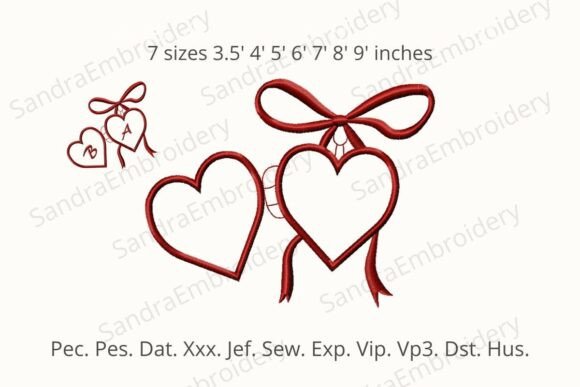
- Embroidered Patches: The Locket design could serve as a removable or sewn-on patch for tote bags, jackets, or aprons. Its ornate lines and central locket shape offer a nostalgic charm that works for handmade brands or seasonal promotions.
- Staff Uniforms and Aprons: For a boutique café or artisan bakery, this design could be subtly stitched onto aprons or collars to add a signature touch without overwhelming the uniform.
- Cap Embroidery: If scaled appropriately, the locket shape could be a unique front or side cap design for staff or customer giveaways—especially for romantic-themed businesses or Valentine’s Day events.
- Tote Bag Design: A small version of this design stitched on the corner or strap of a tote bag adds a branded detail that feels personal and intentional.
- Product Packaging Accents: Embroidered tags or small patches on packaging for handmade goods or boutique items can elevate perceived value and brand recognition.
- Etsy Branding and Craft Business Assets: For Etsy sellers or crafters, the Locket Embroidery Design could be used as part of product tags, packaging, or even as a featured design in seasonal listings.
Where to Use with Caution
While the Locket Embroidery Design is visually appealing, its intricate details mean it should be used carefully in specific applications:
- Small Patch Sizes: The locket’s inner lines and detailing may not translate well at very small sizes. Test it at 1.5 inches or smaller to ensure clarity.
- Cap Fronts and Curved Surfaces: Depending on the cap style, the curvature might distort the locket’s symmetry. A mockup is essential before production.
- Textured Fabric: This design may not stitch cleanly on rough or uneven materials like burlap or thick denim without proper stabilizer use.
- Dark Uniforms: Thread color contrast is critical. Dark backgrounds may require light outlines or underlays to make the locket stand out.
- High Stitch Density and Detailed Outlines: These can lead to stiffness or puckering on lightweight fabrics. Consider thread colors and fabric types carefully.
- Frequent Washing: If used on staff uniforms or reusable tote bags, test the design’s durability after multiple wash cycles to ensure thread integrity.
Impact on Brand Identity and Customer Perception
For small businesses, visual consistency and emotional connection are key. The Locket Embroidery Design brings a sense of care and craftsmanship to any item it’s stitched onto. When used thoughtfully, it can enhance brand identity by signaling a handmade, boutique-style approach. It also adds a layer of professionalism—especially when paired with clean, well-executed embroidery work.
This design can help build customer trust by reinforcing a brand’s attention to detail. Whether on a staff apron or a product tag, it communicates that the business values aesthetics and quality. It also increases product value perception, especially for handmade or limited-run items.
Before committing to production, here are essential checks every embroidery shop or merch creator should perform:
- Test in Black and White First: This helps identify clarity issues in the locket’s lines and spacing before committing to color.
- Check Small Patch Size Compatibility: Make sure the design maintains its integrity when reduced.
- Review Thread Color Contrast: Especially important for dark or patterned fabrics.
- Inspect Spacing and Stitch Flow: Ensure no parts of the locket are too compressed or crowded.
- Confirm Hoop Size Requirements: This affects machine compatibility and placement options.
- Test on Real Fabric: Always stitch a sample on the intended material to check for tension and texture issues.
- Use Proper Stabilizer: Especially for stretchy or textured fabrics.
- Create a Printable Mockup: For client approval and visual consistency across brand assets.
- Compare Alongside Other Design Assets: Ensure it fits with your brand’s visual language.
- Confirm Commercial Licensing: Before using the Locket Embroidery Design in any business context, verify that it’s licensed for commercial embroidery use.
Final Thoughts
The Locket Embroidery Design is a versatile and emotionally resonant choice for small businesses aiming to add a touch of elegance and personality to their merchandise. Whether used as a branded patch, cap accent, or tote bag detail, it offers a unique opportunity to elevate product presentation and customer engagement. As with any digital embroidery file, attention to detail in production and thoughtful application is key to maximizing its branding potential.